
London nightlife has spent the past few years navigating a difficult balancing act. Rising operational costs, venue closures, changing audience habits, and increasing pressure on independent spaces have all forced clubs to rethink what sustainability looks like in 2026. Against that backdrop, Phonox’s new summer series, Circulate, feels notable not simply because of its programming—but because of the model behind it. Launching across Phonox, Venue M.O.T, and Jumbi, the new South London series connects three distinct spaces into a single day-to-night experience running throughout the summer. On paper, it is a club series. In practice, it looks more like an ecosystem.
From Venue to Network
For years, club culture has largely revolved around individual destinations. A venue built an identity, cultivated a loyal audience, and became synonymous with a specific sound or scene. But Circulate reflects a broader shift: nightlife experiences are becoming increasingly distributed across spaces rather than anchored to a single room. The format itself is designed around movement. Events begin outdoors—either at M.O.T’s open-air space or on Jumbi’s terrace—before continuing into Phonox late into the night. That progression matters. Rather than treating venues as competitors operating independently, Circulate positions them as interconnected nodes within the same cultural infrastructure.
A South London Model
The geography is also central to the concept. Rather than concentrating activity in one large-scale flagship venue, Circulate leans into South London’s fragmented but highly interconnected nightlife landscape—linking Brixton, Peckham, and Bermondsey into a single circuit. This reflects how contemporary electronic music scenes increasingly function:
- hyperlocal
- community-driven
- but collectively networked
And importantly, it offers an alternative to the “mega-venue” approach that dominated much of the previous decade.
In the post-Printworks era, London nightlife appears to be rediscovering the value of smaller, culturally distinct spaces operating collaboratively rather than competitively.
Programming as Scene Building
The lineup reinforces this positioning. Artists including Derrick Carter, Optimo, Leon Vynehall, Josey Rebelle, Young Marco, DJ Nobu, Yu Su, and Paula Tape are less representative of a single dominant sound than of a broader curatorial philosophy.
That philosophy prioritises:
- scene crossover
- community credibility
- and musical diversity
Rather than chasing a unified commercial identity, Circulate appears designed to reflect the fragmented reality of contemporary club culture itself.
A Summer-Long Format
Circulate’s inaugural season will run from May 16 to August 29, 2026, spanning 13 day-and-night events across the three South London venues. The series opens on May 16 with Zack Fox, DJ Swisha, Jubilee, Bok Bok and Fiyahdred across Phonox and M.O.T, before continuing through the summer with lineups featuring artists such as Derrick Carter, Leon Vynehall, Josey Rebelle, Paula Tape, Young Marco, DJ Nobu, Soichi Terada and Egyptian Lover. Events alternate between collaborations with Jumbi and M.O.T’s open-air space, reinforcing the project’s core concept: movement between venues, atmospheres, and communities rather than a fixed single-location experience.
Why This Matters Beyond London
What makes Circulate interesting is not just the event series itself, but what it suggests about the future of nightlife operations. As economic pressure on independent venues continues to rise, collaboration may become increasingly necessary—not just culturally, but structurally. Shared audiences, shared programming ecosystems, and distributed formats could help venues:
- reduce operational isolation
- extend audience engagement across longer timeframes
- and create experiences that feel larger than a single physical space
In that sense, Circulate may represent a broader transition from the idea of the nightclub as a standalone destination toward nightlife as an interconnected cultural network.
The Club as Infrastructure
For years, conversations around nightlife focused heavily on preservation: saving clubs, protecting scenes, preventing closures. Those conversations remain necessary. But projects like Circulate point toward a different question: not just how clubs survive, but how they evolve. Because increasingly, the future of nightlife may depend less on building singular iconic venues—and more on building flexible ecosystems capable of sustaining communities across multiple spaces, formats, and audiences. And in South London, that future already seems to be taking shape.
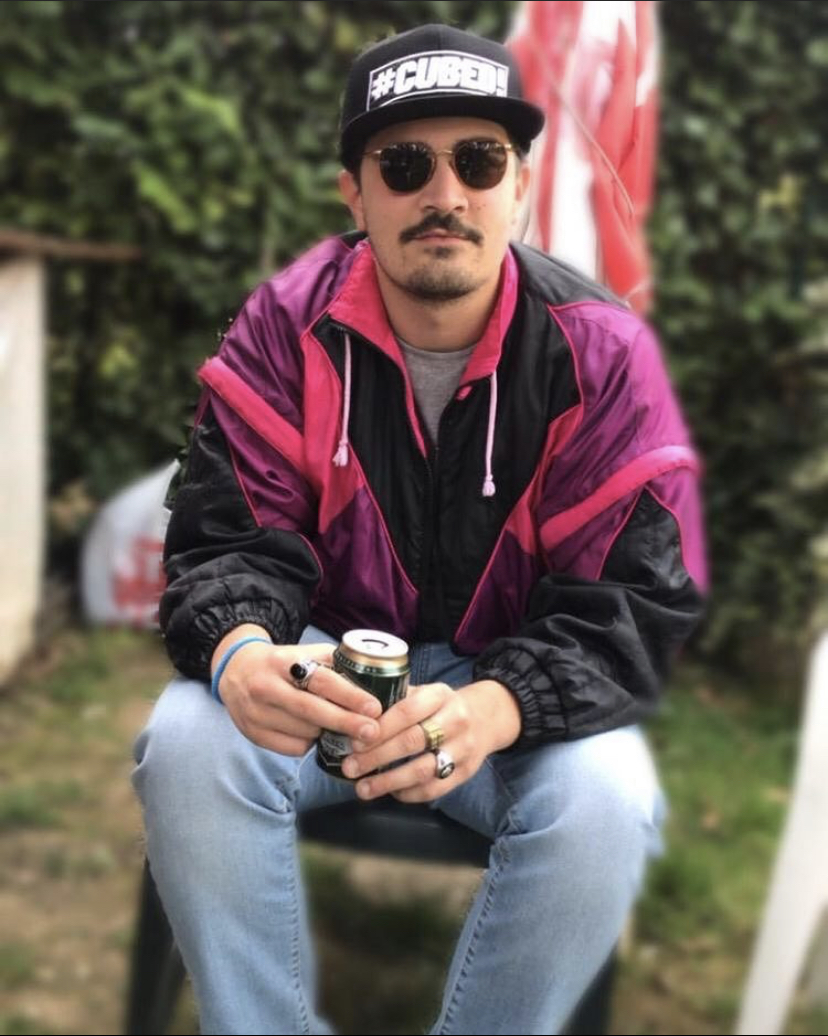
Rudy (32) currently based in Bergamo, here since 2019.
https://www.linkedin.com/in/rudy-cassago-522452179/